

Aesthetic medicine is a field that combines modern technology with care for health and beauty. Treatments are becoming increasingly available and safe, but their effectiveness and safety depend not only on the skill of the specialist, but also on proper preparation of the patient. In this article you will find practical tips on how to prepare for a visit to the clinic to achieve the best possible results.
Why is preparation for the procedure so important?
Proper preparation for the procedure reduces the risk of complications, increases patient comfort and allows for more predictable and lasting results. The skin and body must be in good condition to respond properly to the preparations, devices or techniques used. In addition, the patient's conscious approach - knowing what to do before and after the procedure - significantly affects the final result and recovery time.
Consultation - a crucial first step
A frank conversation with your doctor
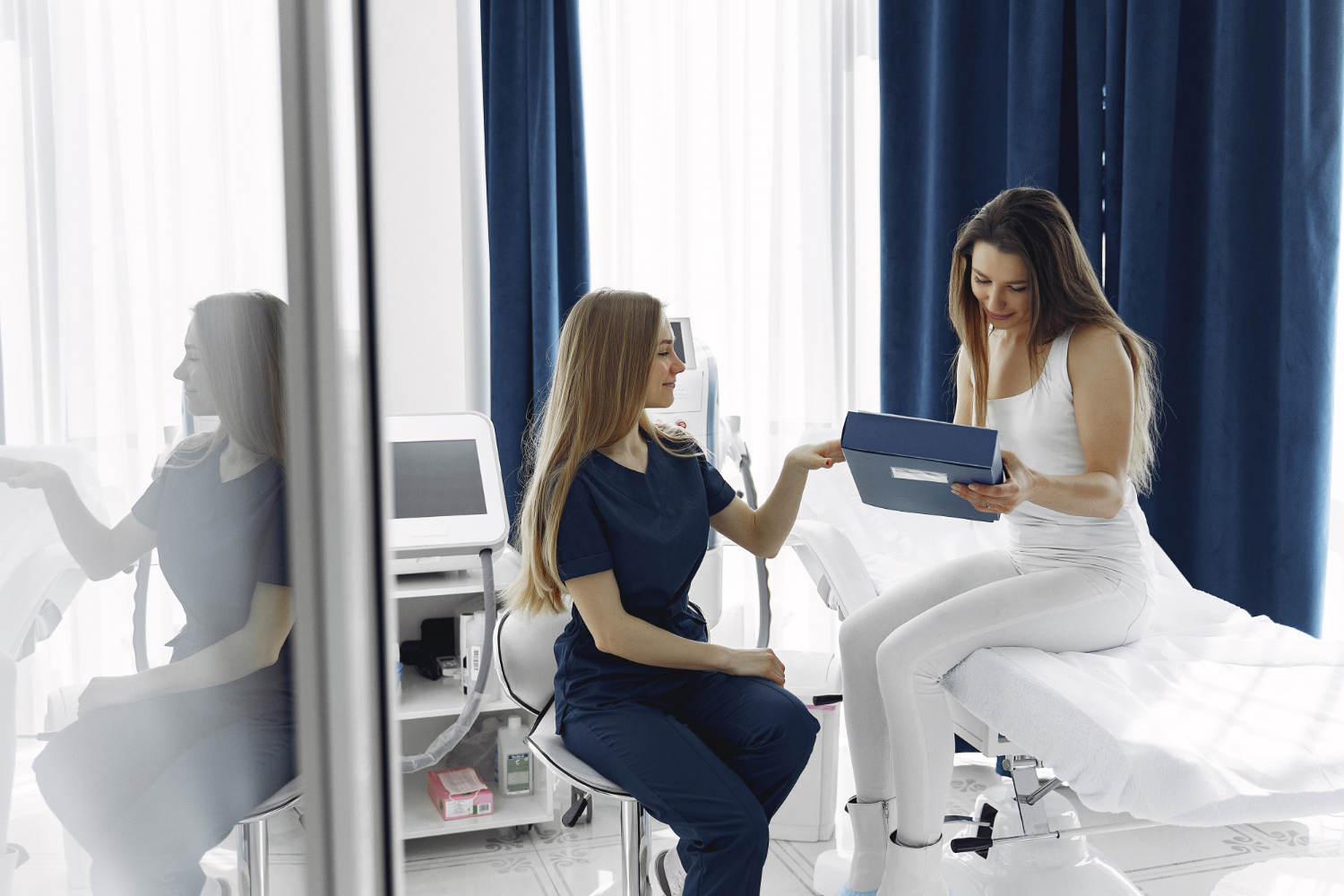
Before you decide on any procedure, a consultation with a specialist is necessary. During it, the doctor will conduct a detailed health history, ask about your expectations, any allergies, chronic diseases, medications and dietary supplements used.
It is very important not to withhold any information - even information that may seem unimportant. This will allow the specialist to properly select the method, rule out contraindications and plan a safe course of therapy.
Skin condition assessment and treatment plan
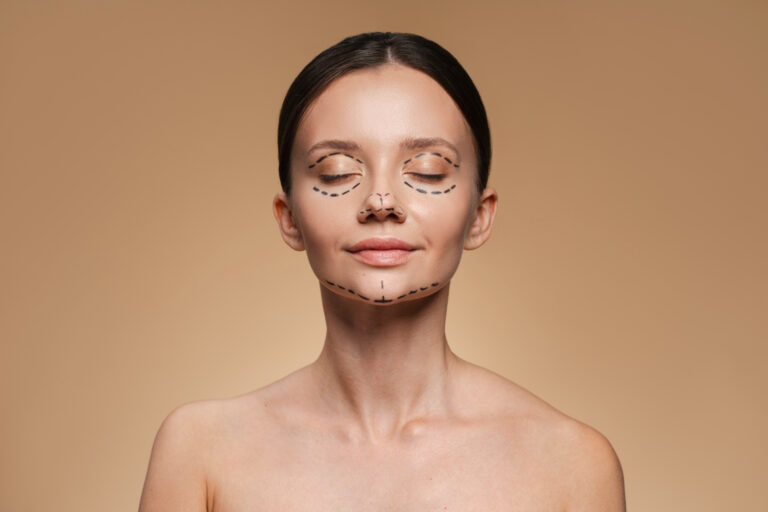
During the consultation, the doctor will assess the condition of your skin, the degree of its tension, elasticity, hydration and the presence of changes such as discoloration, wrinkles or sagging. On this basis, a personalized treatment plan will be proposed - tailored to your needs, skin type and desired effect.
General recommendations before an aesthetic procedure
Discontinuation of certain medications and supplements
A few days before the procedure, it is a good idea to refrain from medications and supplements that may increase the risk of bleeding or bruising, such as aspirin, ibuprofen, vitamin E, garlic in large doses, cod liver oil or ginseng. However, you should always discuss the possible discontinuation of medications prescribed by your treating physician with the doctor performing the procedure.
Avoiding alcohol and cigarettes
Alcohol consumption and smoking should be avoided at least 48 hours before the procedure. Alcohol dilates blood vessels and can increase the risk of bruising and swelling, while nicotine reduces tissue oxygenation, which impedes skin healing.
Hydration and diet
A well-hydrated body responds better to treatments. Be sure to drink water regularly, especially the day before and on the day of treatment. Avoid heavy, fatty meals - opt for a light diet rich in vegetables, fruits and protein.
Hygiene and no makeup
On the day of treatment, your skin should be clean and dry. Avoid applying makeup, creams or perfumed cosmetics to the treatment area. For facial treatments, it is advisable to come without makeup or be prepared to remove it thoroughly before the procedure.
Preparation for specific types of treatments
Botulinum toxin (botox) treatments
Do not massage your face heavily on the day of treatment.
Do not consume alcohol or caffeine.
Avoid applying makeup after treatment for several hours.
Schedule your appointment in advance - the effect appears after 3-14 days.
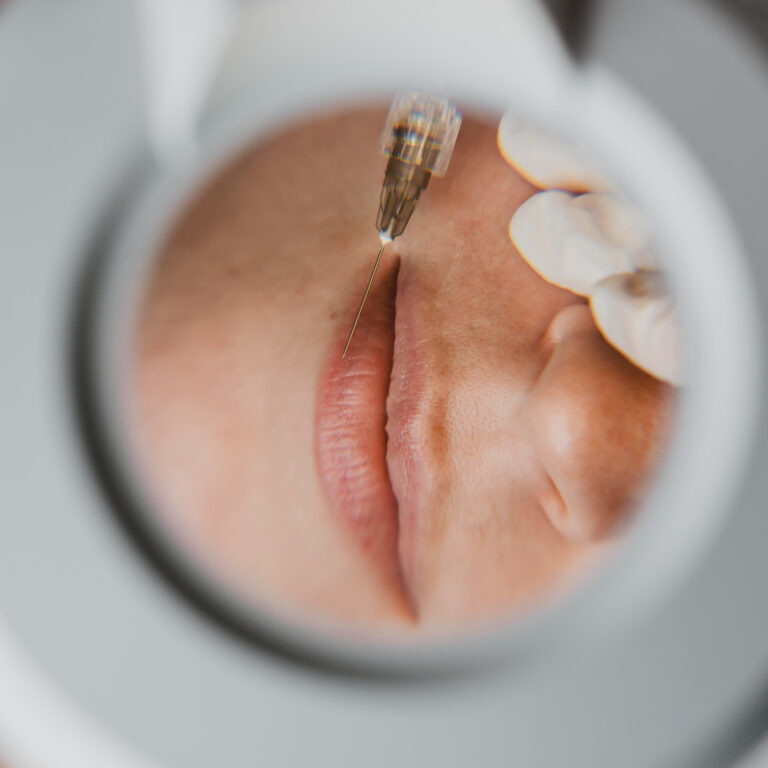
Hyaluronic acid treatments (lip contouring, volumetrics)
Plan the procedure in advance to avoid exposure to important events - bruising or swelling may occur.
The day before, avoid alcohol and a lot of physical activity.
Make sure your skin is in good condition - hydration matters.
Laser treatments (epilation, resurfacing)
Avoid tanning and self-tanners for 2-4 weeks before the procedure.
Do not use cosmetics with retinol a week before.
Shave the treatment site (in the case of laser epilation).
Some antibiotics and photosensitizing drugs are contraindicated.
Mesotherapy, biorevitalization, platelet-rich plasma treatments
It is a good idea to take supplements to support blood vessels (such as vitamin C) after consulting your doctor.
Plan a day off after the procedure - there may be minor puncture marks.
Inform your doctor about any infections, cold sores, herpes.
What to keep in mind on the day of the procedure?
Come rested and relaxed - stress negatively affects the body's reactions.
Eat a light meal - we do not perform treatments on an empty stomach.
Follow the recommendations received from the specialist - especially if the procedure requires special preparation (such as local anesthesia).
Summary
Aesthetic medicine procedures are effective, safe and comfortable - provided the proper preparation. The key is not only the physical preparation of the body and skin, but also the right mental attitude, understanding the course of the procedure and following the recommendations of the specialist.
If you have doubts or questions about a specific procedure - it is always a good idea to consult with the team of our clinic. With a personalized approach, experience and modern methods, we will help you achieve the best results in complete safety and comfort.